Why FedAfrica, and why now
The idea of a United States of Africa is as old as African independence itself. Sixty years after it was set aside, a new generation has the numbers, the tools and the reasons to bring it back.
An idea older than the flags
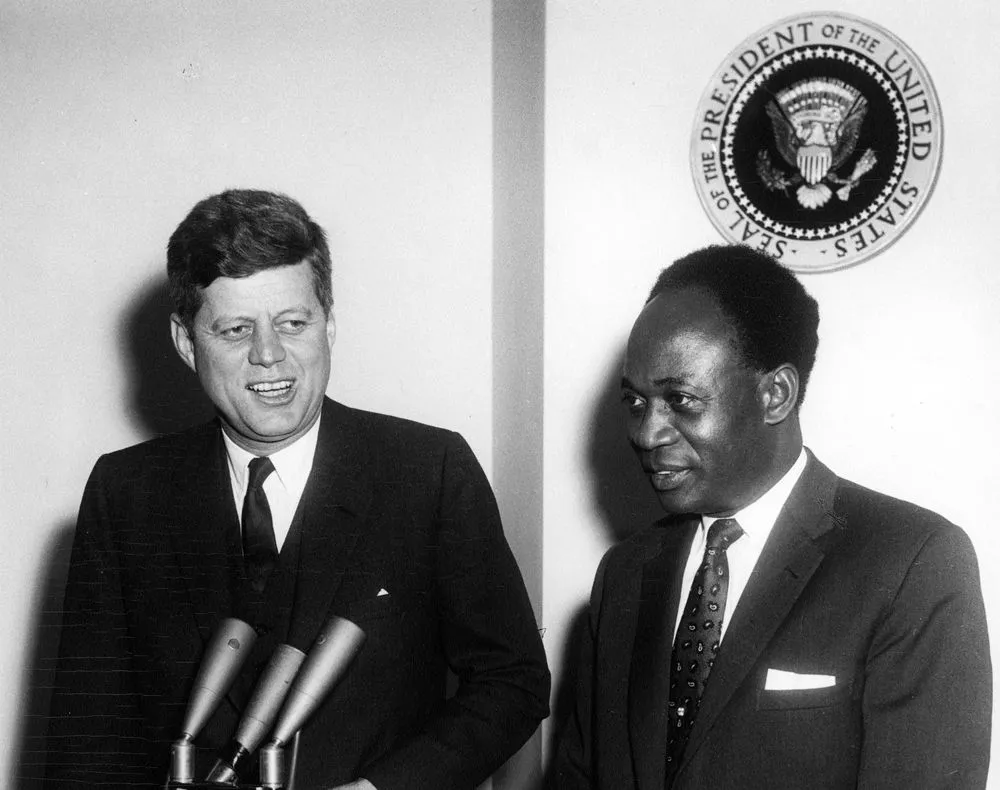
On 6 March 1957, Ghana became the first country south of the Sahara to free itself from colonial rule. Its leader, Kwame Nkrumah, saw that day as a beginning, not an end.
Our independence is meaningless unless it is linked up with the total liberation of the African continent.
The dream was not his alone. Pan-Africanists such as Marcus Garvey, W. E. B. Du Bois and George Padmore had imagined a united Africa long before. But Nkrumah became its most forceful champion once he held power. He made African union the aim of Ghana's foreign policy and called for a single continental government.
Two friends, one vision
Next came Guinea. In September 1958, Guineans led by Ahmed Sékou Touré voted "No" in de Gaulle's referendum and chose full independence at once, the only French colony to do so.
We prefer poverty in liberty to opulence in slavery.
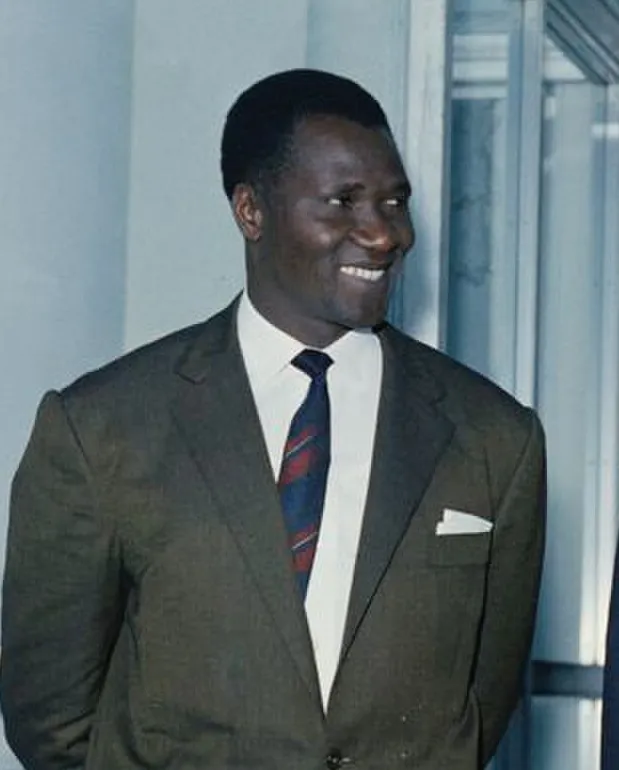
Nkrumah and Touré were close friends and allies. Within weeks of Guinea's independence they announced a union between their two countries, a first step toward a wider union that Mali joined soon after. For both men, independence was only the starting line.
The price of the idea
In 1963, at the founding of the Organisation of African Unity in Addis Ababa, Nkrumah urged his fellow leaders to create a union government immediately. "We must unite now or perish," he told them. Most preferred looser cooperation among sovereign states, and their view won.
Three years later, on 24 February 1966, Nkrumah was on his way to Hanoi on a peace mission when soldiers and police seized power in Accra. He never returned. Historians still debate the mix of causes: economic troubles, resentment of his one-party rule, Cold War interference. But a president campaigning for a united, self-governing Africa had certainly made powerful enemies, at home and abroad.
Touré welcomed his friend to Conakry and named him honorary co-president of Guinea. Nkrumah lived there until illness took him to Romania, where he died in 1972.
He was not the only one. Leaders who challenged the established order met violent ends: Patrice Lumumba in 1961, Sylvanus Olympio in 1963, Thomas Sankara in 1987. For decades, the lesson many drew was that the dream was too dangerous to say aloud.
Why now
The conditions that defeated the idea in the 1960s have changed.
Africa is the youngest continent, with a median age under 20. The African Continental Free Trade Area, in force since 2019 and trading since 2021, is the largest free-trade zone in the world by number of countries. In 2023 the African Union took a permanent seat at the G20. And the phones in young people's hands let someone in Lagos, Nairobi, Dakar or Cairo talk directly to someone in any of the others, something colonial borders were designed to prevent.
What FedAfrica is for
This is not nostalgia. FedAfrica exists to tell a new generation, and everyone who calls themselves a Pan-Africanist, that this movement has to be revived and pushed forward.
We will teach the history, so that the pioneers are known and not only quoted. We will build the case with data on trade, infrastructure, population and a common currency. And we will open a forum for the debate, including the disagreements. We publish in English, French, Spanish and Arabic, because unity cannot be built in one language.
Read us. Challenge us. And join the roster.